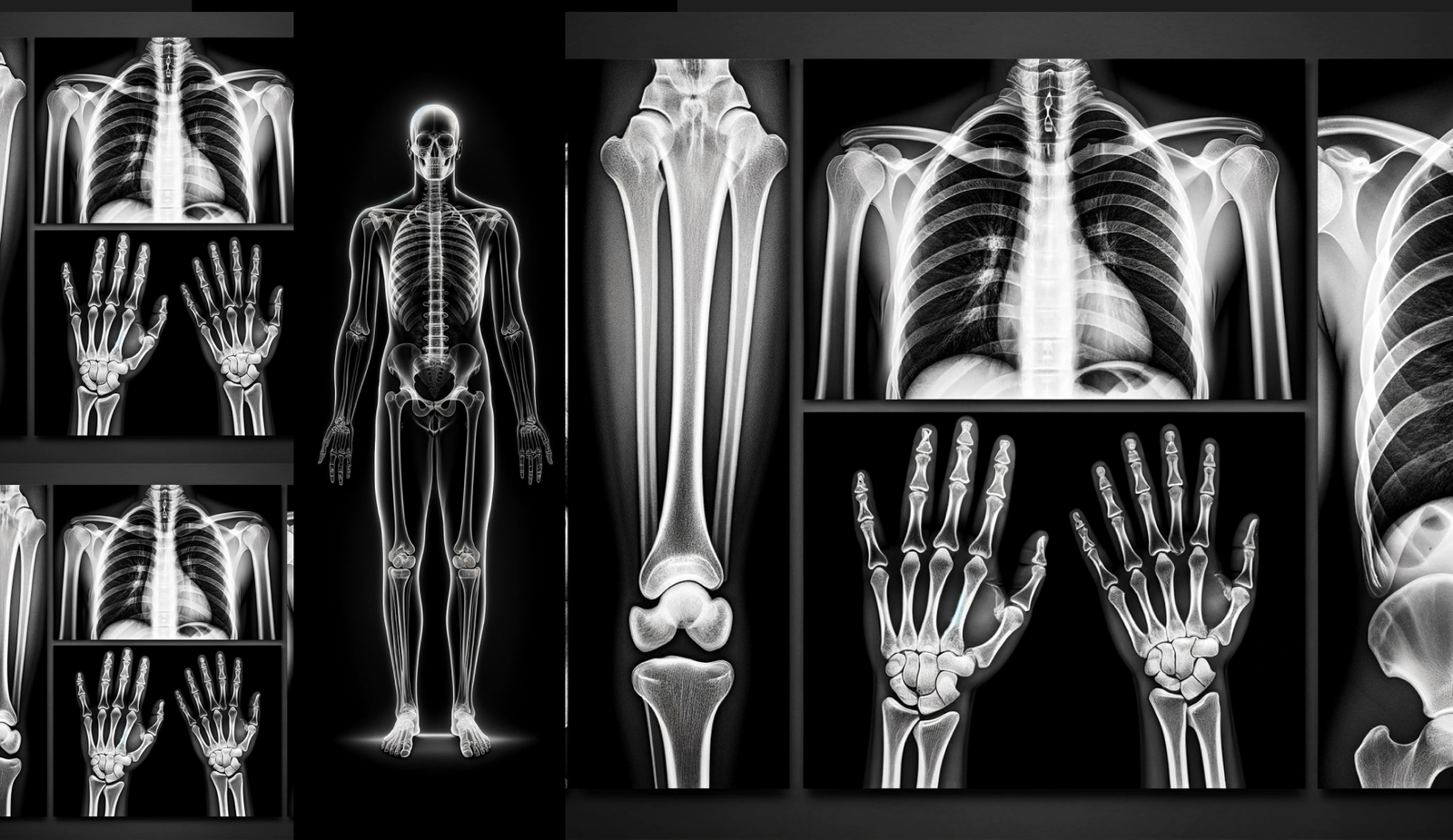

Optimal Recovery After Fractures: The Role of Medications and Rehabilitation
Bone fractures are a painful and challenging experience, but thanks to advances in medicine and rehabilitation, recovery has significantly improved. An integrated approach that combines medication and rehabilitation therapy ensures efficient healing and a quicker return to normal life.
Recovery Process
1. Immediate Treatment:
- Following a fracture, the first step is immobilizing the affected bone using casts, splints, or surgery, depending on the severity of the fracture. This stabilizes the bone and prepares the body for recovery.
2. Pain Management:
Managing pain is crucial in the early stages. Analgesics and anti-inflammatories are used to reduce pain and inflammation. Prescription medications, such as opioids for severe cases and NSAIDs (nonsteroidal anti-inflammatory drugs) for milder situations, help keep the patient comfortable.
3. Promotion of Bone Healing:
Specific medications, such as bisphosphonates, may be administered to accelerate bone formation and repair. These medications promote bone density and reduce the risk of future fractures.
Rehabilitation:
1. Physical Therapy:
Once the bone begins to heal, physical therapy plays a vital role in recovery. Specific exercises help restore mobility, strength, and function to the affected area. Physical therapists design personalized programs for each patient, ensuring effective and safe rehabilitation.
2. Strengthening Exercises:
Rehabilitation includes strengthening exercises for the surrounding muscles, which help support the bone during its recovery. These exercises are crucial for preventing muscle atrophy and improving joint stability.
3. Occupational Therapy:
In cases where the fracture affects the ability to perform daily activities, occupational therapy helps patients readapt and regain their independence. Occupational therapists work on improving fine motor skills and adapting activities to facilitate the recovery process.
Benefits of Comprehensive Recovery:
1. Reduced Recovery Time:
The combination of medication and rehabilitation speeds up the recovery process. Patients can return to their normal activities in less time compared to traditional methods.
2. Prevention of Complications:
An integrated approach reduces the risk of complications such as joint stiffness, muscle weakness, and improper bone alignment, ensuring more complete and effective healing.
3. Improvement in Quality of Life:
By effectively managing pain and restoring normal function, patients experience a better quality of life during and after the recovery process. Active rehabilitation helps patients feel more empowered and positive about their recovery.

